Post
Toubab Dialaw, 2017
A student-run solidarity project in Senegal: fundraising, building classrooms, and learning how long-term projects are really carried forward.
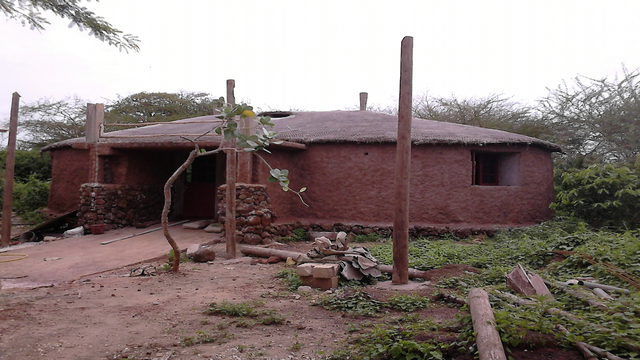
In 2017, I was part of a solidarity project through Solida'rire, a student association within Grenoble INP focused on international education and community initiatives.
That year's project involved helping fund and build two classrooms in Toubab Dialaw, Senegal, in collaboration with local associations on-site.
Unlike some solidarity projects I had seen growing up, this one was entirely student-run. No teacher organizing things behind the scenes or handling logistics for us. Everything depended on the student teams:
- fundraising,
- budgeting,
- communication,
- partnerships,
- travel preparation,
- continuity between yearly groups,
- and eventually the work on-site itself.
I joined as part of the communications team and later became treasurer during the second on-site wave. We traveled in two separate groups, each staying about three weeks.
Most of the year was spent fundraising. Which, in practice, meant doing a bit of everything:
- selling food on campus,
- organizing crêpe and bake sales,
- wrapping Christmas presents in shopping centers,
- preparing presentations for schools,
- contacting sponsors,
- organizing events,
- and repeatedly trying to convince tired engineering students that yes, they absolutely did need one more raffle ticket.
At the time, it mostly felt slightly chaotic. But looking back, this was probably the first time I experienced what it means to collectively run a long-term project almost entirely ourselves. Everything required continuity and trust between teams. Every year, students inherited unfinished work from the previous group and tried to move the project a little further before passing it on again.
Then we arrived in Senegal. And almost immediately, I lost my glasses.
Unfortunately, I am both extremely nearsighted and extremely bad at construction work even with glasses. Without them, I was mostly a vaguely confused silhouette carrying things in approximately the correct direction. An NGO nearby eventually helped me get replacement glasses, but for a while I contributed mostly through logistics, accounting, communications, and trying very hard not to accidentally destroy the parts other people had just built.
Which was probably safer for everyone involved.
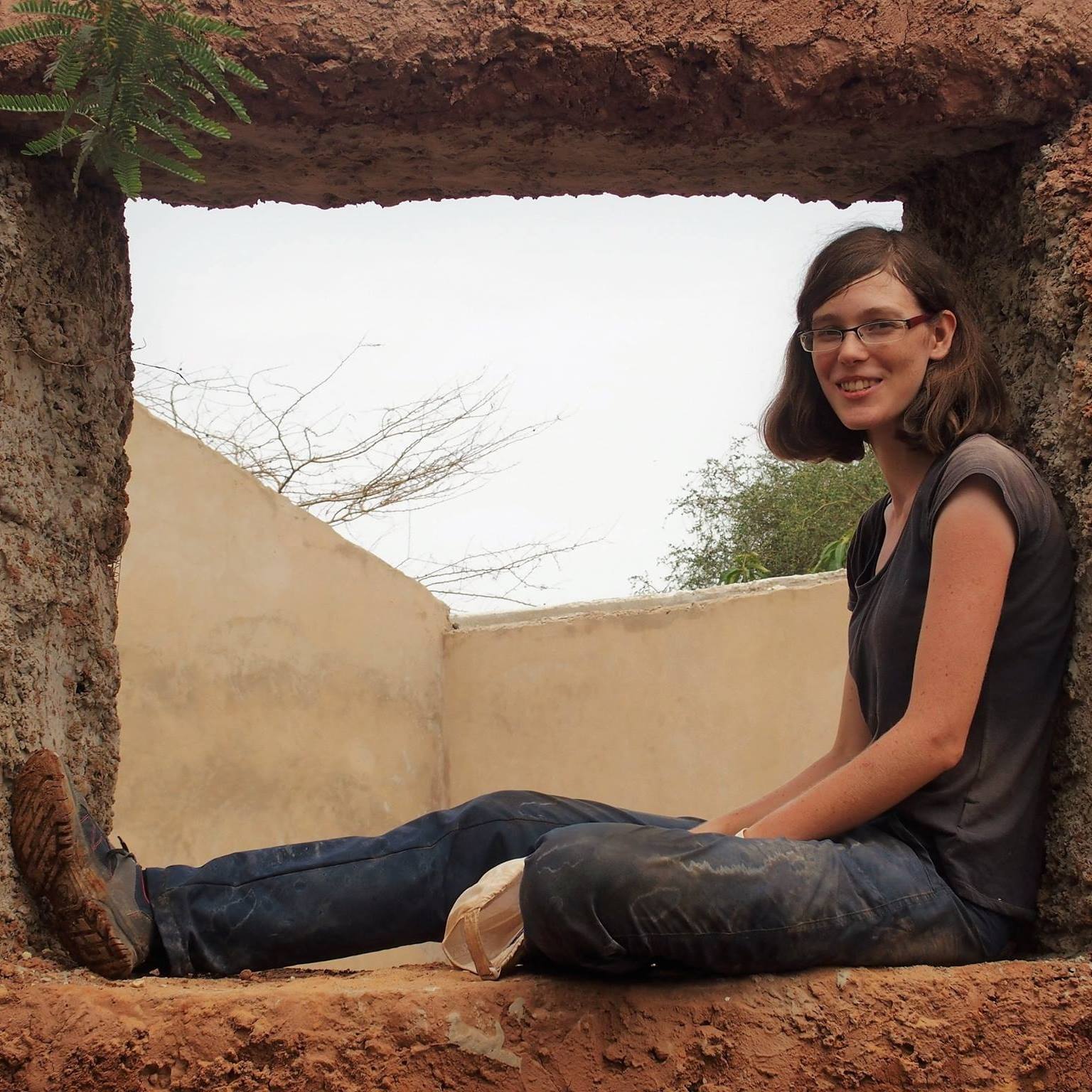
Beyond the construction itself, we also spent time at the school with the children and helped give a few classes during our stay. The project was never just about building walls. It was about supporting a school community that already existed and contributing, in a small way, to something larger and longer-lasting than our few weeks on-site.
What stayed with me most was not a single moment or accomplishment, but the collective nature of the whole experience. Nothing about it was individual: local associations coordinated the work on-site, students organized fundraising year after year, each team inherited work from the previous one, and the project only existed because many people contributed small pieces over time.
Looking back now, I think experiences like this shaped part of how I still approach engineering work today. Most meaningful systems are collaborative and iterative. Whether you are building classrooms, infrastructure, or software, progress rarely comes from one spectacular breakthrough. It usually comes from many small contributions accumulating over time, with each group building on what existed before.
And sometimes, the most useful thing you can do is simply help keep the project moving forward — even if you can barely see what you are carrying.