Post
Escuelita de los Llanos
A childhood memory from Venezuela: fundraising for a rural education project, and what I still carry from a school exchange with students from Los Llanos.
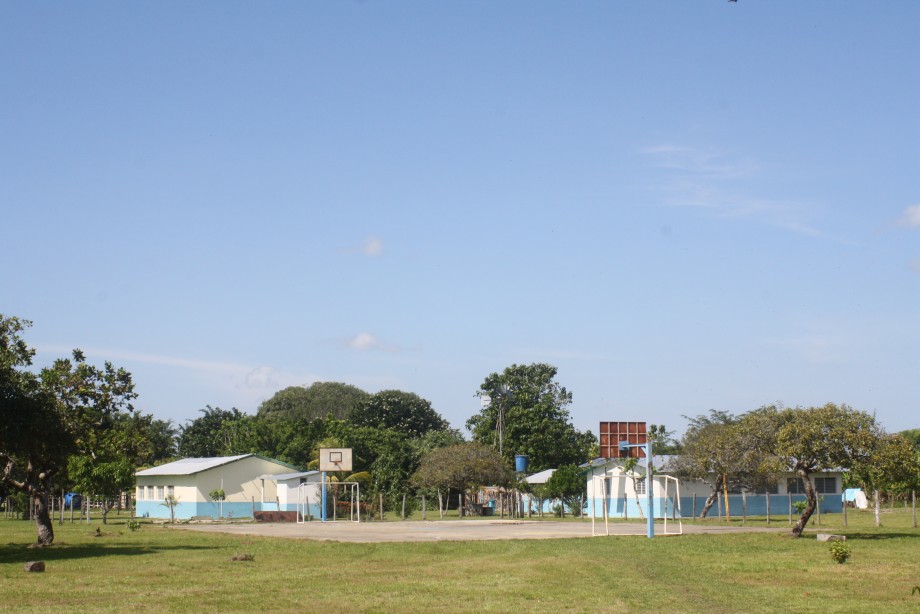
When I was around 11 or 12 years old, I was living in Caracas because of my father's work. One of my history teachers had started the Escuelita de los Llanos project in Apure, a rural education initiative in the Venezuelan llanos, the vast grasslands that stretch across the country's interior, far from any major city.
At school, we spent part of the year helping raise funds for the project. Most of it was exactly what you would expect from middle-school fundraising:
- selling cakes and crêpes during school events,
- organizing small lotteries,
- trying to convince teachers and parents to buy tickets.
I still remember repeatedly going back to one of my teachers until she finally agreed to buy several lottery tickets from me.
At the time, it mostly felt like a school project. But through it, we gradually learned more about Los Llanos itself: isolated villages, long travel distances, very different living conditions, and schools operating in environments that felt incredibly far away from Caracas despite being in the same country.
Later, two students from Los Llanos came to Caracas through the school exchange program, and my family hosted them for a week. I remember it feeling slightly strange at first, trying to figure out what you actually show someone when the place you live in is the thing that's unfamiliar to them. Food was complicated too. As French expatriates, we didn't eat anything like what they were used to. Pasta on our end, arepas or cachapas on theirs.
For us, it mostly meant showing them the city:
- museums,
- parks,
- traffic,
- elevators,
- everything that felt completely ordinary to us at the time.
I still remember them being genuinely afraid of elevators and uncomfortable around the density of cars and buildings in Caracas. They had grown up somewhere where none of that existed, and there was no way to explain it in advance. You either had seen it before or you hadn't.
But the exchange also worked in the opposite direction.
When we visited the science museum together, they immediately recognized many of the taxidermied animals on display because they had actually seen them in Los Llanos. For them, those animals were not museum pieces or textbook illustrations. They were part of daily life.
As kids, I don't think we fully understood how unusual that experience was. But looking back, it was probably one of the first times I became aware that people can inhabit completely different realities while technically living in the same country.
What stayed with me was not only the fundraising itself, but the idea that education and exchanges can reduce distances that have nothing to do with kilometers. The Escuelita project was not only about building classrooms. It was about creating connections between communities that would otherwise never have met.